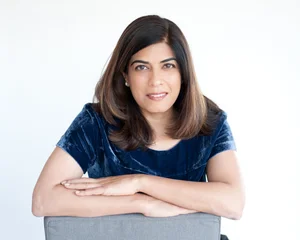
A simple act of generosity at a Madrid bakery raises larger questions about human dignity, institutional power, and the choices leaders make in the age of AI.
Angeli Gianchandani examines how a simple act of generosity at a Madrid bakery rases larger questions about human dignity, institutional power, and the choices leaders make in the age of AI.
The Edge | By Angeli Gianchandani · November 23, 2026 · 4 min
What the Bakery Leaves Out

In 2024, in Madrid’s Pueblo Nuevo neighborhood, sisters Vanessa and Inés found a simple way to share what their bakery could not sell.
Each evening, they froze the bread left unsold. The following morning, they reheated it and placed 15 to 20 loaves outside El Horno de Vital Aza, inviting anyone who needed bread to take it without having to answer questions, complete forms, or explain their circumstances.
The sisters knew what hunger felt like. Having experienced it themselves, they understood the importance of making food available to people who needed it.
The generosity is only part of the story. The rest is what the exchange did not require. It is what the exchange did not require. No one had to explain their circumstances, disclose their income, or demonstrate that they deserved the bread.
The bakery offers a different way to think about access and dignity. It raises a question that extends well beyond the exchange of bread: how much should a person have to reveal or prove before receiving something they need?
What Bread Measures
Bread has always represented more than food. It is connected to work, survival, and the ability to provide for ourselves and the people who depend on us. Even the word breadwinner reflects how closely we associate earning a living with meeting our most basic needs.
Yet hunger makes no distinction between those who can afford bread and those who cannot. The need is the same, even when the circumstances are different.
At the Madrid bakery, that distinction mattered. The sisters did not need to know who had a job, who had fallen on difficult times, or why someone needed a loaf of bread. The bread was there for anyone who needed it.
What they offered was simple, but the experience of receiving it mattered just as much.
The Conditions We Create
Every organization establishes conditions for how people access its services, resources, and opportunities. Some are necessary to protect individuals, ensure fairness, and maintain accountability. Others become so routine that we rarely question whether they are still serving their intended purpose.
A person applying for a job may be asked to repeat information already provided on a résumé. A customer seeking assistance may have to explain the same problem to several representatives. Someone requesting financial support may face a process that is difficult to navigate precisely when they are most vulnerable. The experience can be humiliating.
These experiences may seem ordinary, but they influence how people perceive the organizations they encounter. The process itself becomes part of the relationship.
The Madrid bakery offers an interesting contrast. It reminds us that the way we structure an exchange can influence whether people feel respected, trusted, or scrutinized.
Where AI Enters
Artificial intelligence is changing how organizations evaluate information, make decisions, and interact with the people they serve. From hiring and financial services to healthcare and customer support, AI is increasingly influencing how individuals access opportunities, resources, and assistance.
These technologies can speed up processes, reduce repetitive tasks, and help organizations respond more effectively. They can also make it easier to evaluate, classify, and monitor people at a scale that was previously difficult to achieve.
This creates a responsibility for leaders that goes beyond efficiency. A process that once affected a handful of individuals can now be applied across thousands of interactions, carrying the same assumptions, limitations, and potential errors into each one.
Organizations will use AI to improve decision-making. The harder question is whether they understand how those decisions affect the people on the receiving end.
When technology becomes part of the relationship between an institution and an individual, the quality of that relationship still matters. People need to understand decisions that affect them, have opportunities to correct inaccurate information, and know when human judgment remains necessary.
The Design Question
The decisions that shape these experiences are not made by technology alone. They reflect the priorities of the organizations that develop and deploy it.
Leaders decide what information is necessary, how much scrutiny is appropriate, and when human judgment should remain part of a process. They also determine whether people have a meaningful opportunity to question decisions or correct information that may be incomplete or inaccurate.
These choices influence more than operational performance. They shape trust, customer relationships, and how people experience an institution.
Speed is one measure of progress. How fairly and respectfully people are treated along the way is another.
The Bread Between Us
What we ask of people before offering help reveals as much about our values as what we ultimately provide.
Perhaps dignity was never in the bread itself, but in the way we treated one another while the bread changed hands.
That is the bread between us.
Copy Editor
Enid Burns is a Detroit-based journalist and editor. Her work has appeared in CNN, the New York Post, and CNET. She serves as copy editor for The Edge, reviewing each article before publication.
About The Edge
The Edge examines how culture, business, leadership, sport, and global systems shape markets, institutions, and leaders' decisions. It features original essays and analysis by Angeli Gianchandani.
About the Author
Angeli Gianchandani is a global brand strategist, cultural intelligence practitioner, and educator. She advises leaders on commercial growth, brand value, and the decisions connecting current performance to long-term opportunity.
She is Adjunct Faculty at NYU School of Professional Studies, Visiting Lecturer at African Leadership University, and holds a master’s degree from The Fletcher School at Tufts University. Read more at mobilitygirl.com/theedge and Authory.